Osteogenesis imperfecta
Fragile bones, repeated fractures, bowing of long bones — medical treatment, surgery when needed, and protection of the child's independence.
Supported by SPANDA · 22 October 2026
One child, five specialists, one day. Baby Memorial Hospital opened a clinic where rare genetic, bone and muscle conditions are seen together instead of one queue at a time.
What PRISM is
PRISM stands for Paediatric Rare, Inherited, Skeletal and Muscular Disorders. It is a dedicated clinic at Baby Memorial Hospital, Kozhikode, for children living with conditions that are individually uncommon but collectively significant — and for the families who spend years carrying folders between specialists.
Most rare musculoskeletal conditions touch several systems at once. A child with osteogenesis imperfecta needs orthopaedics, genetics and rehabilitation; a child with spinal muscular atrophy needs neurology, pulmonology and physiotherapy; a child with cerebral palsy needs all of it, and a plan that fits one family's week. PRISM's answer is to bring specialists in genetics, neurology, paediatrics, orthopaedics and physical medicine and rehabilitation together on the same day, in one centre, to produce a single coordinated treatment plan.
BMH describes same-day multidisciplinary assessment of this kind as an initiative rarely seen in the country. For a family that has already travelled, taken leave and repeated the same story four times, it changes what a clinic visit costs them.
The launch
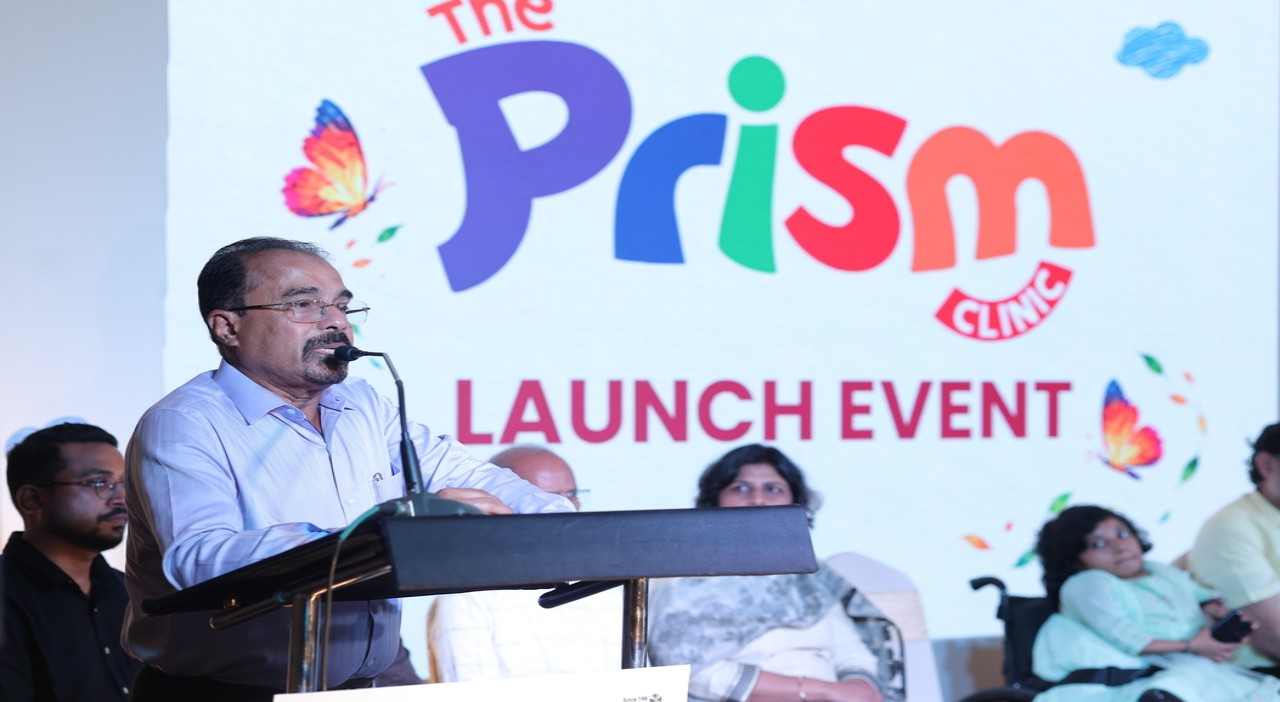
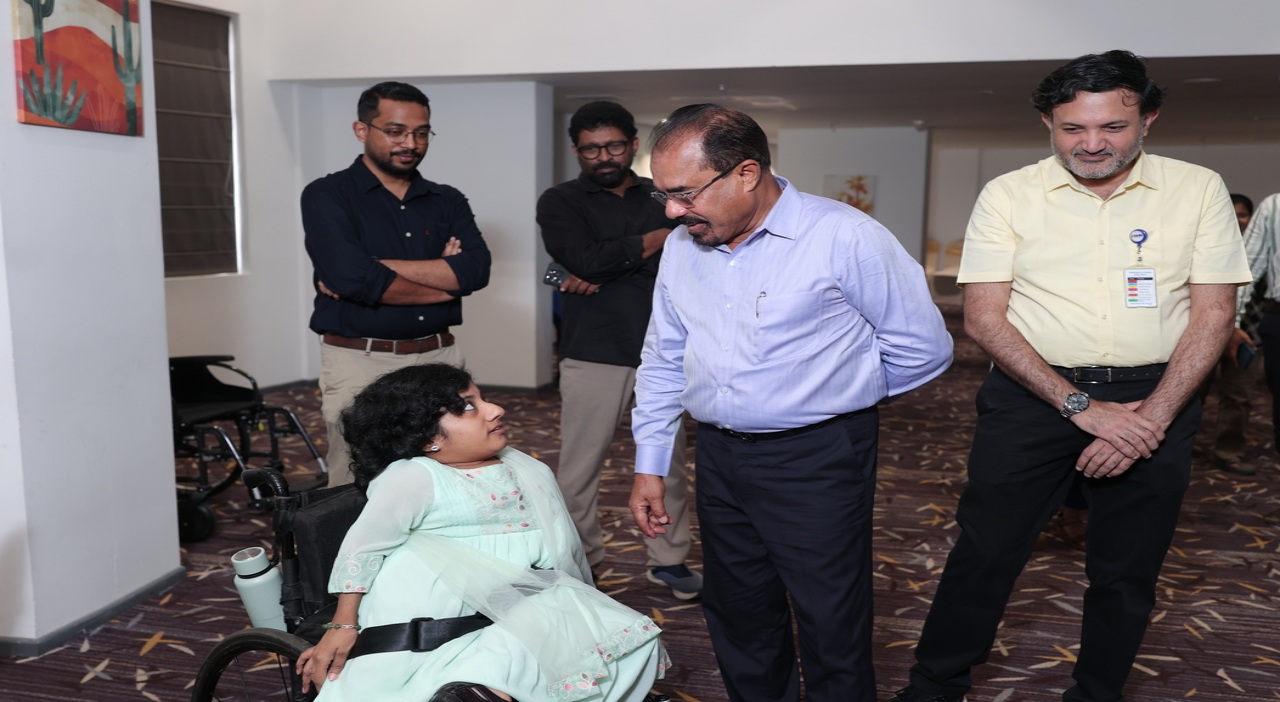
The clinic was inaugurated on 22 October 2026 at Hotel Tiara, Kozhikode, by Dhanya Ravi, a disability rights advocate and motivational speaker. She was born with osteogenesis imperfecta — the fragile-bone condition that PRISM will see often — has lived through hundreds of fractures, and is now a writer and speaker. With roots in Palakkad and a base in Bengaluru, she has received the National Award for the Empowerment of Persons with Disabilities in the Role Model category.
She unveiled the clinic's logo together with the children, and then spoke to them and their families about resilience in terms they already understood. Dr. K. G. Alexander, Chairman of BMH Kozhikode, presided and described the clinic as the result of sustained effort to make specialised care accessible through an integrated approach. Dr. Ajesh Nambiar V, Cluster Head and General Manager (Marketing), proposed the vote of thanks, and cine-mimicry artist Devaraj Dev led the entertainment for the children. Families of children already under treatment at the hospital filled the hall.
What the clinic treats
PRISM provides comprehensive evaluation and treatment for children with:
Fragile bones, repeated fractures, bowing of long bones — medical treatment, surgery when needed, and protection of the child's independence.
Achondroplasia and other dysplasias, where growth, spine, hips, knees and airway are assessed together.
Duchenne and related dystrophies: surveillance of strength, spine, breathing and heart, with stretching, standing programmes and timely bracing.
Genetic diagnosis, disease-modifying treatment, respiratory care, nutrition and scoliosis monitoring in one plan.
Gait assessment, spasticity and contracture management, orthotics, and surgical decisions made with the family rather than for them.
Children with a named or still-unknown syndrome, assessed by genetics alongside the clinicians who will follow them.
Early detection, bracing and growth-friendly or definitive correction, timed to the child's remaining growth.
Bow legs, knock knees, limb length difference and rotational problems — measured, monitored and corrected only when correction is worth it.
The team
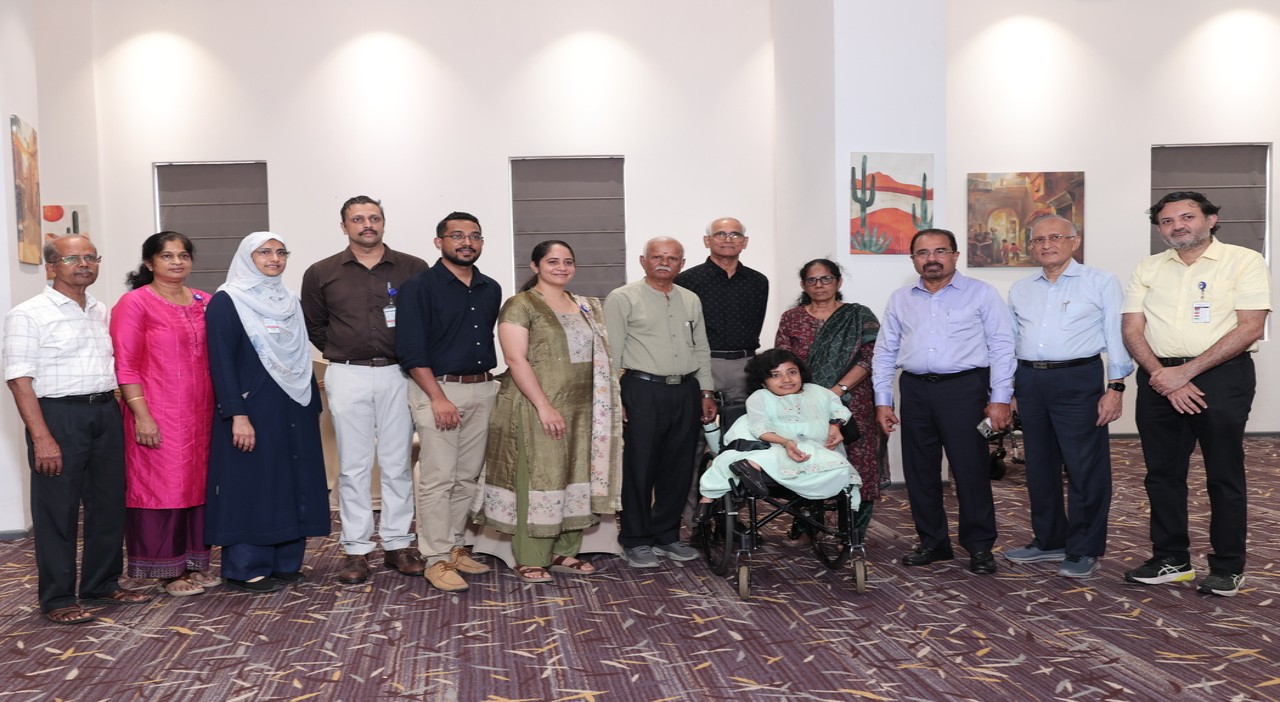
PRISM is led from paediatric orthopaedics and draws on genetics, neurology, paediatrics and rehabilitation. The core team named at the launch:
Clinic Lead; Senior Consultant, Paediatric Orthopaedics. Also Founder and Chairman of SPANDA.
Clinic Coordinator; Paediatric Orthopaedics.
Core medical team.
Core medical team.
Core medical team.
Core medical team.
Core medical team.
SPANDA's part
SPANDA was settled in Palakkad in September 2026 for the same children PRISM exists to serve — those with scoliosis, paediatric orthopaedic conditions and neuromuscular deformity. The trust supported the inauguration of the clinic because a good clinic is only half the answer: the other half is a family that knows what to look for, a diagnosis that arrives early enough to matter, and a way to pay for the brace, the orthosis or the surgery that follows.
Its part in the clinic is deliberately narrow, and it is the part a hospital is not built to do: to make sure a family understands the plan, can afford it, and that the child is counted in a registry rather than disappearing between visits. The hospital treats the child; the trust carries the rest — which is set out, in three points, alongside this paragraph.
Three things, all of them written into the trust's objects rather than promised in a memorandum.
Questions about the trust's part in the clinic are welcome at spandatrust@gmail.com.
Sources
Event details, quotations and photographs are taken from Baby Memorial Hospital's own report of the launch (babymemorialhospitals.com, "BMH Kozhikode Launches PRISM Clinic") and the Onmanorama report of 23 October 2026. Hospital materials spell two names slightly differently (Eshwar/Eashwar T. Ramani, Ujjwal/Ujwal George); the trust uses the spelling of its own trustee, Dr. Easwar T R.